Key Takeaways
- Audi A6 DSG judder in stop-start traffic is the most reported gearbox complaint in Dubai — and it’s often fixable without a full rebuild
- Dubai’s heat and heavy traffic accelerate clutch pack wear and fluid degradation in the S-Tronic 7-speed
- A DSG fluid change (AED 600–900) resolves judder in many cases — but only if done before the clutch packs are damaged
- The mechatronic unit is the most expensive single failure point — replacement costs AED 4,500–7,000
- Audi’s “lifetime fluid” claim does not apply to Dubai driving conditions — service every 60,000 km is essential
Audi A6 DSG 7-Speed Gearbox Judder: What Dubai Owners Need to Know
You’re crawling through Business Bay at 8:15am, late for a meeting, when your Audi A6 starts shuddering as it creeps forward. It’s not violent — more like the car is hesitating, shaking gently between 10 and 30 km/h, then smoothing out once you’re above 40. You’ve noticed it before, mostly in slow traffic, and assumed it was something minor. It isn’t. What you’re feeling is Audi A6 DSG judder — one of the most common gearbox complaints among Dubai owners of the 7-speed S-Tronic transmission — and in Dubai’s stop-start traffic and 45°C summer heat, it progresses faster than it would anywhere else in the world.
The good news: caught early, the fix is relatively straightforward and affordable. Left too long, the same complaint becomes one of the most expensive repairs in the German car ownership experience. This guide explains exactly what is happening inside your gearbox, why Dubai conditions make it worse, and what it will cost to fix at a specialist Audi workshop in Dubai.
In This Article
- How the Audi S-Tronic 7-Speed DSG Works
- Why Dubai Conditions Accelerate DSG Wear
- Symptoms: Is It Definitely DSG Judder?
- Diagnostic Process and Fault Codes
- Repair Options and Costs in AED
- The Fluid Change Debate: Does It Fix Judder?
- Frequently Asked Questions
- Maintenance Tips for Dubai A6 Owners
- Conclusion
How the Audi S-Tronic 7-Speed DSG Works
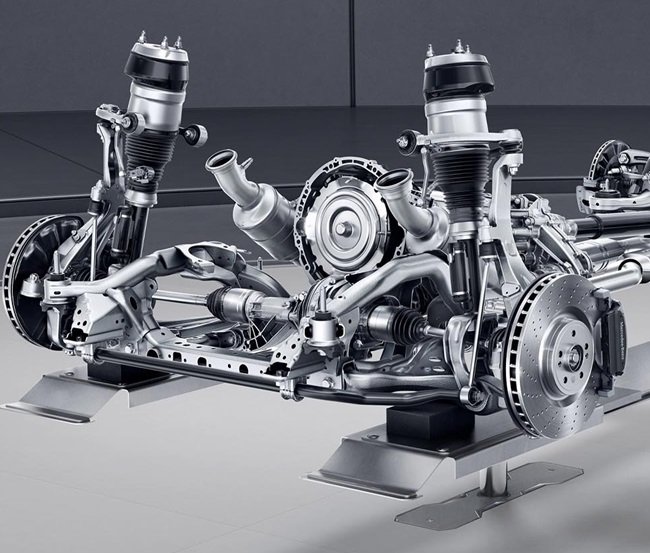
The S-Tronic 7-speed (internally designated DL501 or 0B5) is a dual-clutch transmission — not a traditional torque converter automatic. It uses two separate clutch packs: one for odd-numbered gears (1, 3, 5, 7) and one for even-numbered gears (2, 4, 6). While you’re in first gear, the gearbox pre-selects second gear on the other clutch, allowing lightning-fast shifts by simply releasing one clutch and engaging the other simultaneously.
The key mechanical components are:
- Wet clutch packs (x2) — Unlike dry-clutch DSGs (found on smaller Audis and VWs), the S-Tronic uses oil-bathed wet clutches. They are more durable but require the correct fluid to function properly.
- Mechatronic unit — The hydraulic and electronic brain of the gearbox. Contains solenoids, sensors, and the hydraulic control circuit. The single most expensive component in the system.
- Torque converter — Unlike most DSGs, the DL501 includes a torque converter for smooth low-speed take-up — which is also a failure point.
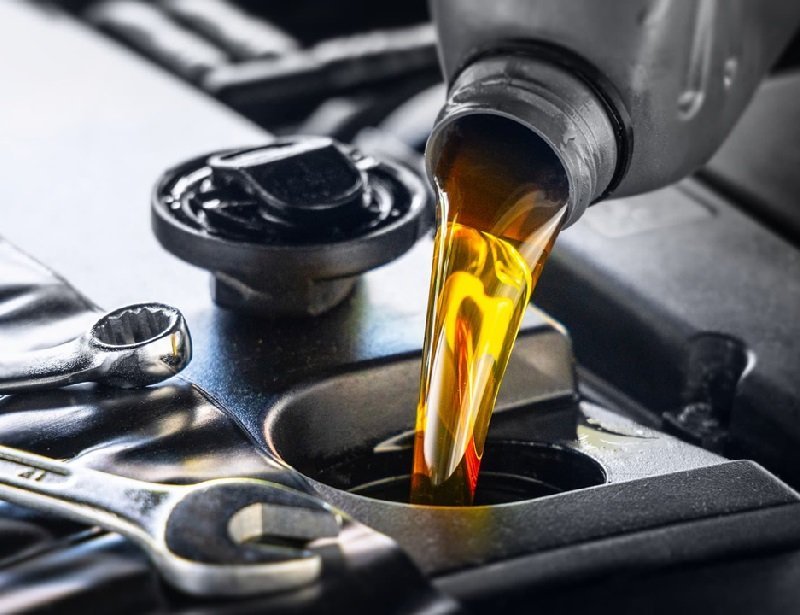
- DSG fluid (ATF) — Serves triple duty: lubricating the gear sets, cooling the clutch packs, and providing the hydraulic pressure that operates the mechatronic unit.
Understanding this architecture explains why judder develops — and why the fix depends entirely on which component has been affected. Our transmission specialists always identify the root cause before recommending a repair path.
Why Dubai Conditions Accelerate DSG Wear
The S-Tronic was engineered and calibrated for European driving — long motorway stints, moderate ambient temperatures, and relatively fluid traffic flow. Dubai delivers the opposite on every count.
Stop-Start Traffic Is the Primary Enemy
In Business Bay, Downtown Dubai, Deira, and virtually every major road during morning and evening rush hours, an Audi A6 may sit in moving traffic for 30–45 minutes, constantly engaging and partially releasing the clutch packs at low speed. Each engagement at low torque generates friction heat in the clutch pack. Over tens of thousands of kilometres, this glazes the clutch plates — the root cause of judder.
Heat Degrades Fluid Faster Than Advertised
Audi originally classified DSG fluid as a “lifetime fill” requiring no change. This claim has been widely discredited, and Audi itself now recommends service intervals in its technical documentation. In Dubai, where gearbox oil temperatures during slow traffic can peak 20–30°C higher than in moderate climates, the fluid’s friction modifier additives break down significantly faster. Degraded fluid loses its ability to control clutch engagement smoothness — which is the earliest and most recoverable cause of judder.
Short-Trip Driving Prevents Proper Warm-Up
Many Dubai residents drive short distances — hotel to office, villa to mall. The S-Tronic is designed to operate at a specific oil temperature for optimal clutch engagement calibration. Frequent cold starts and short trips mean the gearbox spends more of its life in sub-optimal temperature ranges, where the adaptive clutch calibration software struggles to compensate for clutch pack wear.
Symptoms: Is It Definitely DSG Judder?
DSG judder has specific characteristics that distinguish it from other gearbox or engine problems. Misdiagnosis is common — and expensive.
Classic DSG Judder Signs
- Shuddering or vibration between 10–40 km/h, particularly when pulling away from a standstill
- Symptoms worse in slow, stop-start traffic than at higher speeds
- Judder more pronounced when cold (first 5–10 minutes of driving)
- Sometimes accompanied by a faint “chatter” sound during low-speed engagement
- Car may feel like it’s struggling to decide which gear to use in slow traffic
What It Is NOT
- Engine misfire — A misfire shudders at all speeds and under load, not specifically at low-speed gearbox engagement
- Torque converter shudder — Very similar feeling but typically occurs at higher speeds (60–100 km/h) during light throttle, not at low-speed pullaway
- Engine mount failure — Engine mounts cause vibration at idle and under load that doesn’t correlate with vehicle speed or gearbox engagement
The distinction matters because the wrong diagnosis leads to the wrong repair. We’ve seen cars come in having had engine mounts replaced elsewhere — at AED 800–1,200 — when the actual problem was a DSG that needed a fluid service. A proper VCDS diagnostic on the gearbox control module takes the guesswork out completely. Our diagnostic team runs this as the first step on every gearbox complaint.
Diagnostic Process and Fault Codes
A proper DSG diagnostic involves several steps beyond plugging in a scan tool:
- VCDS / ODIS fault code scan — Reads stored and pending faults from the transmission control module (J217)
- Live data monitoring — Checks clutch temperatures, oil temperature, adaptation values, and solenoid pressures during a test drive
- Adaptation value check — The gearbox ECU stores learned clutch engagement values. Severely degraded adaptation values indicate clutch pack wear beyond what fluid change can resolve
- Oil condition inspection — Colour, smell, and metallic particle content of the DSG fluid give direct evidence of clutch pack wear
Common fault codes on the Audi A6 DSG:
| Fault Code | Description | Likely Cause |
|---|---|---|
| P17BF / 06079 | Clutch K1 — Adaptation at Limit | Clutch pack wear — fluid change may or may not resolve |
| P17C0 / 06080 | Clutch K2 — Adaptation at Limit | As above, even-gear clutch pack |
| P0868 | Transmission Fluid Pressure Low | Mechatronic solenoid or fluid pump issue |
| P0894 | Transmission Component Slipping | Clutch slippage — significant wear indicated |
| U0101 | Lost Communication with TCM | Mechatronic wiring or unit failure |
Repair Options and Costs in AED
The repair path — and cost — depends entirely on how far the problem has progressed. Here is an honest breakdown:
| Repair | Prestige German Auto (AED) | Authorized Dealer (AED est.) | Resolves Judder? |
|---|---|---|---|
| DSG fluid change + filter + adaptation reset | 600–900 | 1,200–1,800 | Yes — if clutch packs are not yet worn |
| Mechatronic unit repair/remanufacture | 2,500–3,500 | 5,000–7,500 | Yes — if judder is mechatronic-caused |
| Mechatronic unit replacement (new) | 4,500–5,500 | 7,000–9,500 | Yes — for confirmed mechatronic failure |
| Clutch pack replacement (K1 or K2) | 3,500–5,000 | 7,000–10,000 | Yes — definitive fix for worn clutches |
| Full gearbox rebuild | 8,000–12,000 | 16,000–22,000 | Yes — complete restoration |
| Remanufactured gearbox exchange | 9,000–13,000 | 18,000–25,000 | Yes — best long-term option for severe damage |
All work at Prestige German Auto includes our 3-month / 10,000 km written warranty. Fix Now, Pay Later installment options are available — ask when you book your service. We always provide a full quote before any work begins — no hidden charges.
The Fluid Change Debate: Does It Fix Judder?
This is the most common question we receive about DSG complaints, and the honest answer is: sometimes yes, sometimes no — and the difference matters enormously for your wallet.
When Fluid Change Works
If the judder has appeared recently — within the last 5,000–10,000 km — and the clutch adaptation values are still within range, a DSG fluid change combined with an adaptation reset can completely eliminate the judder. The fresh fluid restores the correct friction coefficient between the clutch plates, and the adaptation reset allows the gearbox ECU to relearn optimal engagement points. This is the best-case scenario and the most cost-effective repair at AED 600–900.
When Fluid Change Does Not Work
If the clutch plates have glazed — hardened and smoothed from excessive heat — no fluid change will restore their friction characteristics. At this stage, the adaptation values will be at their limits (fault codes P17BF/P17C0), and the gearbox ECU is already compensating at maximum range. A fluid change may slightly reduce symptoms temporarily, but the judder will return within weeks. The correct repair at this stage is clutch pack replacement.
The Risk of Delaying
Owners who know their DSG is juddering but delay repair because “it’s still driveable” are making an expensive mistake. Glazed clutch packs generate metallic debris that circulates through the fluid and accelerates wear on the mechatronic unit’s solenoids and valves. A AED 900 fluid service ignored becomes a AED 5,000 mechatronic repair. Our transmission team has seen this progression many times — early action always costs less.
Frequently Asked Questions
What causes Audi A6 DSG judder in Dubai traffic specifically?
Dubai’s stop-start traffic is the primary cause. The S-Tronic 7-speed engages and partially releases its wet clutch packs hundreds of times per hour in slow traffic — far more than it was designed for in European conditions. Combined with higher ambient temperatures that accelerate fluid degradation, Dubai driving wears the clutch friction material faster and glazes the plates, producing the characteristic judder between 10–40 km/h. For Dubai A6 owners, DSG fluid service every 60,000 km is not optional — it’s essential.
How much does a DSG gearbox service cost in Dubai?
A standard DSG fluid change, filter replacement, and adaptation reset at a specialist workshop in Dubai costs AED 600–900. At an authorised Audi dealer, the same service is typically AED 1,200–1,800. This should be performed every 60,000 km for Dubai driving conditions — not the longer intervals sometimes quoted for European climates.
Can I keep driving my Audi A6 if it has DSG judder?
In the short term, yes — DSG judder is not immediately dangerous. However, driving with a juddering DSG accelerates wear on the clutch packs and generates metallic contamination in the gearbox fluid, which then damages the mechatronic unit. What starts as a AED 900 fluid service can escalate to a AED 5,000+ mechatronic repair within 10,000–20,000 km if ignored. The earlier you act, the cheaper the fix.
Does Audi cover DSG judder under warranty in Dubai?
Factory warranty coverage depends on the vehicle’s age and mileage. Within the standard Audi warranty period (typically 2 years or 100,000 km for UAE-spec vehicles), DSG mechanical faults including clutch pack failure may be covered — but this depends on the service history and whether the fluid has been changed at required intervals. If your A6 is out of warranty, an independent Audi specialist in Al Quoz will complete the same quality repair at 30–50% lower cost than the dealer.
What is the difference between DSG judder and engine misfire on the Audi A6?
DSG judder occurs specifically during low-speed gearbox engagement — pulling away from stops, in slow traffic, between 10–40 km/h — and usually smooths out at higher speeds. An engine misfire produces shuddering that occurs across all speed ranges, often with a rough idle, and may trigger a flashing engine warning light. A misfire also typically affects fuel consumption and may produce a noticeable drop in power. If symptoms only appear in slow traffic during gear engagement, DSG is almost certainly the cause.
Maintenance Tips for Dubai Audi A6 DSG Owners
1. Service DSG Fluid Every 60,000 km — Not “Lifetime”
Audi’s original “lifetime fluid” specification does not account for Dubai conditions. In a city where gearbox temperatures regularly peak during rush hour, the friction modifiers in the ATF break down within 60,000–80,000 km. Schedule a DSG service at this interval and you will likely never experience judder.
2. Avoid Crawling in D — Use S Mode in Heavy Traffic
In D mode during very slow traffic, the gearbox often engages first gear at minimal throttle repeatedly. In S (Sport) mode, the transmission holds gears slightly differently and the clutch engagement is managed with less hunting. Many Dubai A6 owners find S mode causes noticeably less judder in crawling traffic — and the mechanical reason is the different clutch engagement strategy it uses.
3. Let the Gearbox Warm Up
For the first 3–5 minutes of driving, avoid aggressive acceleration. The DSG fluid needs to reach operating temperature before the clutch adaptation values are fully active. Cold-start aggressive driving in the first few minutes is disproportionately harsh on clutch pack surfaces.
4. Act on Any DSG Warning Immediately
The A6’s instrument cluster will display a “Gearbox: Please visit workshop” message when the TCM detects out-of-range adaptation values. Do not wait until the next service. Book a scan within the week — the difference between early and late action here is measured in thousands of dirhams.
5. Keep Your Battery in Good Health
The DSG mechatronic unit is sensitive to voltage fluctuations. A weak battery — common after 3–4 years in Dubai’s heat — can cause erratic mechatronic behaviour that mimics clutch wear symptoms. Have your battery tested alongside any DSG diagnostic. It’s a frequently overlooked variable that can make a simple problem look complex.
Conclusion
The Audi A6 S-Tronic 7-speed is an impressive gearbox that handles the demands of the A6’s performance range — but it needs proper maintenance to survive Dubai conditions. Stop-start traffic, heat, and short trips are the three factors working against you every day. The fix is straightforward if you catch it early: a DSG fluid service every 60,000 km costs less than AED 900 and prevents the AED 5,000–12,000 repair that follows years of neglect.
If your A6 is already juddering, bring it in for a proper diagnostic before assuming the worst. Many cases that present as severe clutch wear turn out to be fluid-related and are resolved with a service. We’ve been working on Audi gearboxes in Dubai since 2008, with a 4.9-star rating and a 3-month / 10,000 km warranty on every repair. Call us on +971 55 273 3911 or WhatsApp for a free assessment — we’ll tell you exactly what your gearbox needs before any work begins.
Book Your Audi A6 DSG Diagnostic Today
Free diagnostic included with repair | Same-day service | Fix Now, Pay Later available
📞 Call: +971 55 273 3911
💬 WhatsApp: +971 55 273 3911
📧 Email: germanautouae@gmail.com
📍 Al Quoz Industrial Area 4, Dubai — Get Directions