Your BMW doesn’t ask for much. Neither does your Mercedes, Audi, Porsche, or Range Rover. But when one of them needs an oil change, it will tell you — in ways that are easy to miss if you’re not paying attention.
The problem? Most owners don’t catch the signs until the damage is already done. And on a German-engineered engine, that damage doesn’t come cheap.
Here are five signs your car is overdue for an oil change, what each one means, and why acting fast is always the smarter move.
1. Your Engine Oil Looks Dark and Gritty
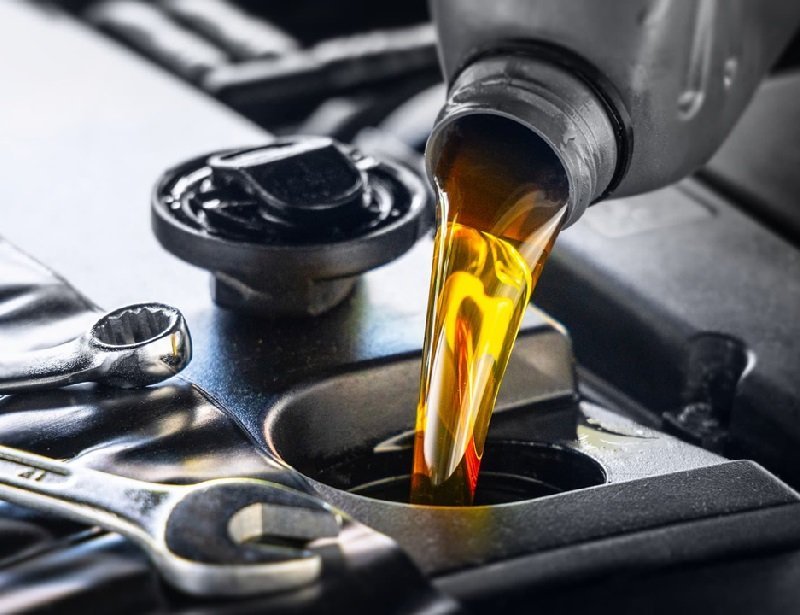
Fresh engine oil is amber-coloured and semi-transparent. As it does its job — lubricating moving parts, absorbing heat, and collecting microscopic debris — it darkens. That’s normal. But there’s a difference between oil that’s done some work and oil that’s well past its service life.
Pull the dipstick, wipe it clean, dip it again, and take a look. If the oil is jet black and you can feel grit between your fingers when you rub it, it’s no longer protecting your engine — it’s contaminating it.
For German engines, which run to tighter tolerances than most, dirty oil isn’t just inconvenient. It accelerates wear on components like camshafts, bearings, and timing chains that are expensive to replace.
What to do: Don’t wait for your next scheduled service. Book an oil change as soon as possible.
2. You Hear a Knocking or Ticking from the Engine
A healthy engine is quiet. A well-lubricated BMW inline-six or a Mercedes AMG V8 has a particular smoothness to it — one you get used to fast.
If you start hearing a persistent knocking, tapping, or ticking sound, especially on cold starts, that’s your engine telling you something is wrong with lubrication. Oil that’s too thin, too old, or too low can’t maintain the film of protection between moving metal parts. When that film breaks down, metal meets metal — and you hear it.
This is one of the most urgent signs on this list. Continued driving with inadequate lubrication can cause serious damage to your engine internals. On a Porsche flat-six or a Range Rover V8, that’s a repair bill that runs into five figures.
What to do: Stop driving, check your oil level immediately, and call a specialist. Do not ignore engine knock.
💡 Prestige German Auto offers mobile mechanic service across Dubai. If you’re concerned and don’t want to drive the car, we’ll come to you. Find us on Google Maps or WhatsApp us directly on 055 2733 911.
3. The Oil Change Warning Light Is On (Or Your Service Interval Is Overdue)
Modern German vehicles are sophisticated enough to tell you when they need attention. BMW’s Condition Based Service (CBS), Mercedes-Benz’s ASSYST PLUS, and Audi’s Service Interval Display all monitor your driving patterns and engine conditions to calculate exactly when an oil change is due.
If that warning appears on your dashboard, it’s not a suggestion. It’s a calculated alert from your car’s own computer.
Some owners dismiss it, thinking they can stretch the interval a little longer. On a standard engine, that gamble sometimes pays off. On a high-performance German or British engine designed to run on specific oil specifications — N63 BMW, OM651 Mercedes diesel, EA888 Audi — exceeding the interval by even a few thousand kilometres can contribute to long-term issues like sludge build-up and timing chain stretch.
What to do: Book your service promptly. Use the correct oil specification for your specific engine — not all oils are created equal.
4. You’re Burning Through Oil Between Services
Some oil consumption is normal, particularly in high-performance or higher-mileage engines. But if you’re regularly topping up between services, that points to a problem worth investigating.
Excessive oil consumption in German vehicles is sometimes linked to specific known issues — BMW N20 and N55 engines have had documented oil consumption cases, as have certain Porsche and Audi units. Running low on oil, even briefly, places enormous stress on engine components.
Check your oil level every two to three weeks, especially on longer drives. If you’re consistently adding half a litre or more between services, don’t just keep topping it up — get it properly diagnosed.
What to do: Bring the car in for a full inspection. A qualified German car specialist can identify whether the consumption is a normal characteristic of your engine or an early sign of something more serious.
🔧 Not sure if your oil consumption is normal? At Prestige German Auto, we specialise exclusively in BMW, Mercedes, Audi, Porsche, Volkswagen, and Range Rover. We’ve seen every oil consumption pattern these cars produce and we’ll give you a straight answer. Book a diagnostic or call 055 2733 911.
5. Your Engine Feels Sluggish or Runs Roughly
You know how your car feels on a good day. The throttle response, the smoothness through the rev range, the way the engine pulls cleanly. If that sensation has changed — if there’s hesitation, roughness at idle, or a noticeable dullness to performance — degraded oil could be a contributing factor.
Old oil thickens and loses its ability to flow efficiently around the engine, particularly during the first few seconds after a cold start. In Dubai’s climate, where temperatures can swing significantly overnight, this matters more than you’d expect. The oil needs to reach every part of the engine quickly on startup — if it’s too viscous from age or contamination, those first critical seconds of running can cause accelerated wear.
A fresh oil change with the right specification for your vehicle restores that flow, that responsiveness, and that confidence in the engine.
What to do: If your car feels different to drive and you’re approaching your service interval, an oil change is the first thing to rule out. It’s the simplest, most affordable maintenance step you can take.
Dubai’s Climate Makes Oil Changes More Important — Not Less
Here’s something most people don’t consider: the heat in Dubai accelerates oil degradation.
High ambient temperatures put additional load on engine oil, breaking down its viscosity index faster than in cooler climates. A service interval designed for a European driver in moderate temperatures needs to be treated with some conservatism when you’re regularly driving in 40°C-plus conditions. If you do a lot of short trips, heavy traffic driving, or occasional track or spirited driving, that compounds the effect further.
The standard guidance is to follow the manufacturer’s recommended interval — but to not push beyond it in Dubai’s climate.
The Right Oil Matters as Much as the Interval
An oil change is only as good as the oil going in. BMW, Mercedes, Audi, Porsche, and Range Rover all publish specific oil approvals — BMW LL-01, Mercedes-Benz 229.5, VW 504.00/507.00 — that engines are designed and calibrated to run on.
Using the wrong specification, even a good-quality oil with the wrong approvals, can affect everything from fuel economy to emissions system performance to long-term engine health.
At Prestige German Auto, we use only manufacturer-approved oils for every vehicle we service. No shortcuts, no substitutions.
When to Book Your Oil Change
If any of these signs sound familiar, don’t wait:
- Dark, gritty oil on the dipstick
- Knocking or ticking from the engine
- Oil service warning light showing
- Burning through oil between services
- Engine feels sluggish or rough
An oil change is the most cost-effective thing you can do for your engine. Catching it at the right time costs very little. Catching it too late costs a great deal more.
Prestige German Auto is a specialist independent workshop for BMW, Mercedes-Benz, Audi, Porsche, Volkswagen, and Range Rover owners in Dubai. We offer in-shop and mobile mechanic services, using manufacturer-approved parts and oils.
📞 WhatsApp or call: 055 2733 911
📍 Find us on Google Maps
🔧 Book your service online
Built on Precision. Driven by Integrity.